
Innovative Wastewater
Treatment Technologies
CROMAFLOW PROVIDES RELIABLE, COST EFFECTIVE SOLUTIONS FOR THE TREATMENT OF WASTEWATER.
CROMAFLOW Inc
DILIGENTLY WORKING WITH ENGINEERS, CONTRACTORS AND REGULATORY AUTHORITIES TO DESIGN, MANUFACTURE AND SUPPLY COMPLETE AND ENVIRONMENTALLY FRENDLY WASTEWATER TREATMENT AND HANDLING SYSTEMS
At CROMAFLOW, we provide water treatment solutions for our clients. Our installations are cost-effective, modular and designed to meet or beat regulatory standards. Whether you’re looking to handle flows of 500 gallons per day (1.89 m3/day) or 650,000 gallons per day (24606.6 m3/day), CROMAFLOW will engineer a solution that fits your needs.
Servicing
THESE COUNTRIES

























































































































































































































































CROMAFLOW Inc
DILIGENTLY WORKING WITH ENGINEERS, CONTRACTORS AND REGULATORY AUTHORITIES TO DESIGN, MANUFACTURE AND SUPPLY COMPLETE AND ENVIRONMENTALLY FRENDLY WASTEWATER TREATMENT AND HANDLYING SYSTEMS
At CROMAFLOW, we provide water treatment solutions for our clients. Our installations are cost-effective, modular and designed to meet or beat regulatory standards. Whether you’re looking to handle flows of 500 gallons per day (1.89 m3/day) or 650,000 gallons per day (24606.6 m3/day), CROMAFLOW will engineer a solution that fits your needs.
Servicing
THESE COUNTRIES
THE CROMAFLOW DIFFERENCE
As your wastewater treatment needs grow, so do our systems. CROMAFLOW solutions are modular in design, so increasing capacity to meet increased demand is simple.

CROMAFLOW offers industry-leading turnaround times. From design to installation, CROMAFLOW is faster than any competitive company.

Because every water treatment application is unique, CROMAFLOW water treatment solutions are custom designed to match your needs.

CROMAFLOW treatment systems operate on principles of turbulent aeration of incoming wastes and batch treatment of biomass in separate settling chambers.

CROMAFLOW provides installation, maintenance and on-site training to customers around the world.

Removes pollutants such as Biochemical Oxygen Demand (BOD); Total Suspended Solids (TSS); Fats, Oils and Grease (FOG); Nitrogen and Phosphorous

CROMAFLOW offers water treatment for drinking water, enabling ground water, surface water or seawater to be turned into potable water.

Discharged water quality meets and exceeds standards established by the World Health Organization (WHO) and the US Federal EPA.

CROMAFLOW solutions are scaled to meet commercial and industrial needs as well as residential requirements.
Inert Fiberglass Construction

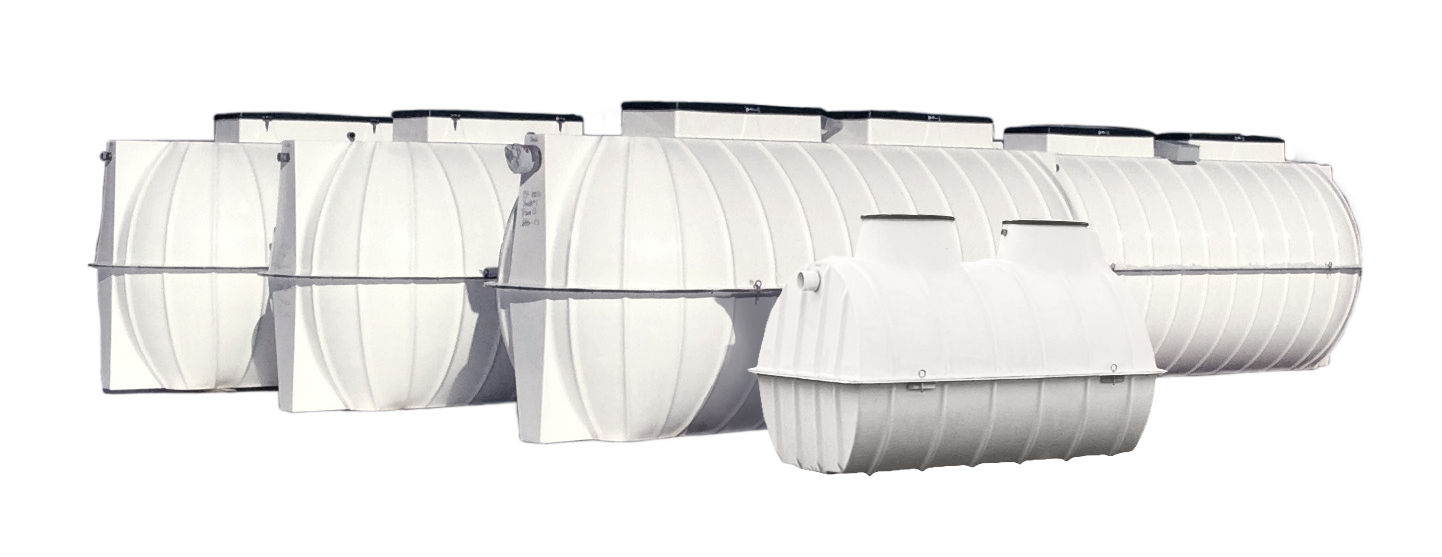
CROMAFLOW Tanks Lead the Industry
Our fiberglass tanks are fabricated from scratch in the USA.
World-Wide Installations
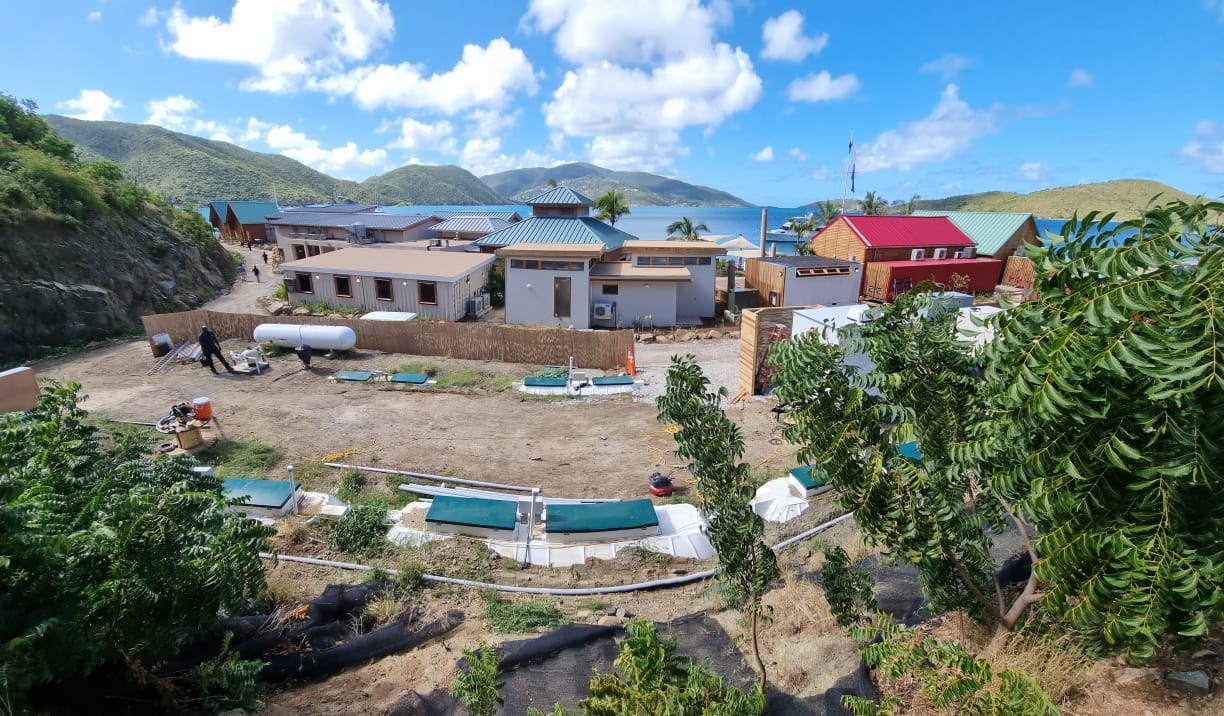
CROMAFLOW Solutions Are Everywhere
CROMAFLOW is responsible for the installation and maintenance of wastewater treatment solutions all around the world.
Discrete Underground Installation

CROMAFLOW Tanks Are Discrete
CROMAFLOW treatment systems are typically buried with lockable access hatches and quiet running submersible pumps.